Indian Publishers Seek Protection for Reporting on Nonpublic Information Ahead of Privacy-Law Rollout
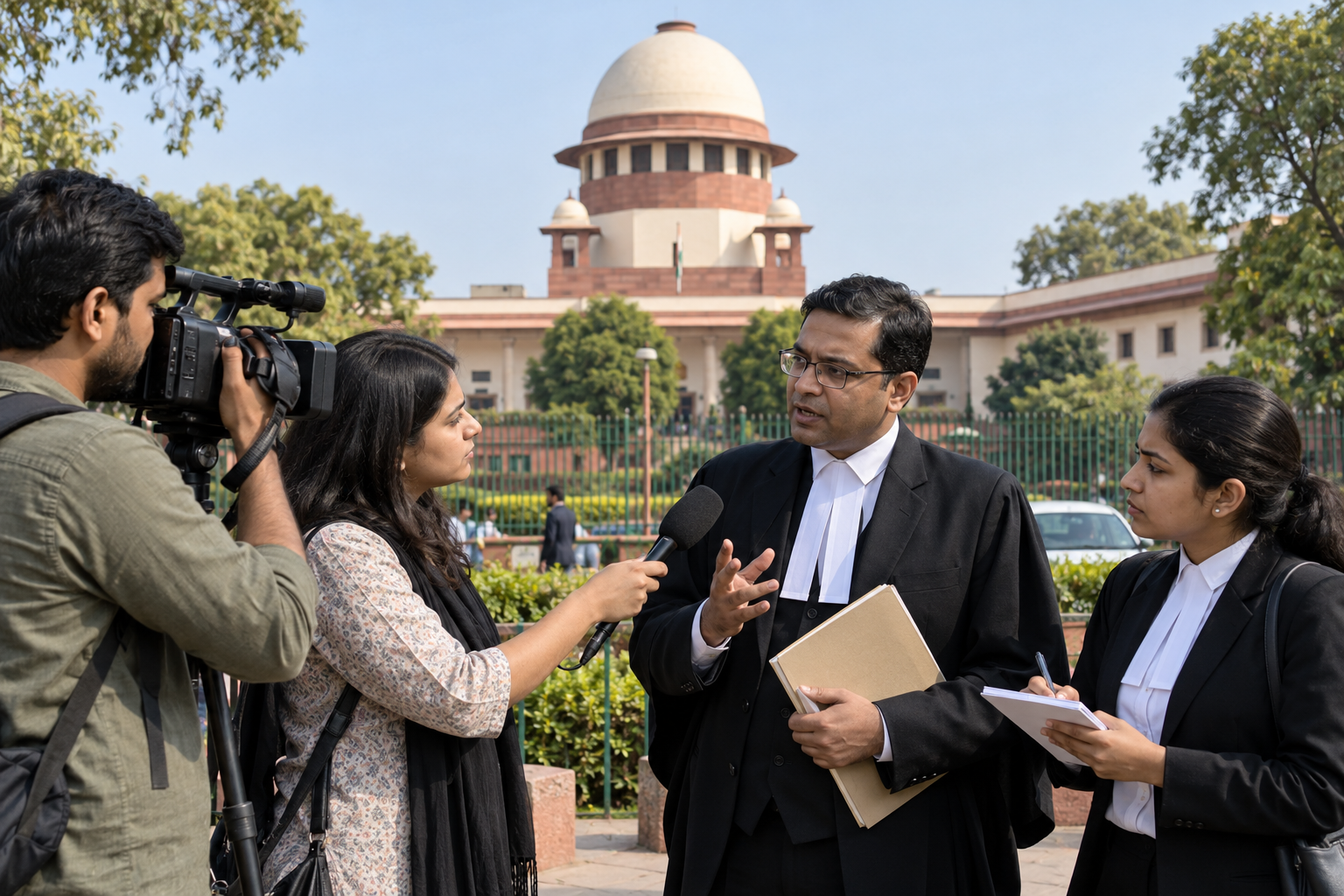
Indian news publishers have begun a Supreme Court challenge over how public-interest reporting based on nonpublic material will be protected under the country's privacy law. At a hearing on October 27, Madhavi Goradia Divan, a lawyer for the Digital News Publishers Association (DNPA), argued that requiring a subject's consent before reporting would subject news organizations to prior censorship. The main provisions the publishers are challenging are scheduled to take effect in May 2027. Reuters' court reporting, Commencement notification
The 21 publishers bringing the case include Mukesh Ambani's Network18, Gautam Adani's NDTV, the Indian Express and Times Internet. According to Reuters, they raised concerns that the government had promised to protect press freedom at an August meeting but had not written an exemption for journalists into the law. Rather than relying on the government's assurances, they are asking the court for explicit protection. Reuters
The Digital Personal Data Protection Act, enacted in 2023, excludes some publicly available information from its scope. Section 3 excludes personal information made public by the individual concerned or disclosed under a legal obligation. Other information within the law's scope must be processed on a basis allowed by Section 4, such as the individual's consent or specified legitimate uses. Act, Sections 3–4
The law does not expressly provide a blanket exemption for journalism using nonpublic material. Section 17 does provide exceptions for purposes including preventing, detecting or investigating crime and exercising legal rights. EEJE Editorial Analysis: An exception that allows a reporter to use a person's publicly posted biography differs in scope from the protection needed to investigate facts that person has not disclosed. Publishers are challenging the law's application because they fear that the latter kind of public-interest reporting could depend on the subject's consent. Act, Sections 3 and 17, Publishers' grounds for the challenge
Protecting the identity of sources is also part of the case. Section 36 gives the government the power to demand information from data-processing entities or intermediaries for the purposes of the law. The publishers argued that this power could be used to expose journalists' sources. Their challenge concerns both the consent process and who can require a newsroom to hand over information gathered in its reporting. Act, Section 36, Reuters
The Supreme Court requested a response from the government. According to local outlet exchange4media, the bench led by Chief Justice Surya Kant described publishers as experts in the field who can identify potential misuse of the law while protecting citizens' rights. Reuters reported that the next hearing was set for November. As the privacy provisions approach implementation, news organizations are asking the government for safeguards that allow public-interest reporting without the subject's prior consent and protect confidential sources. exchange4media's report on the hearing, Reuters