Democratic Party seeks inquiry into Chief Justice Cho; request must be reported to plenary and plan approved
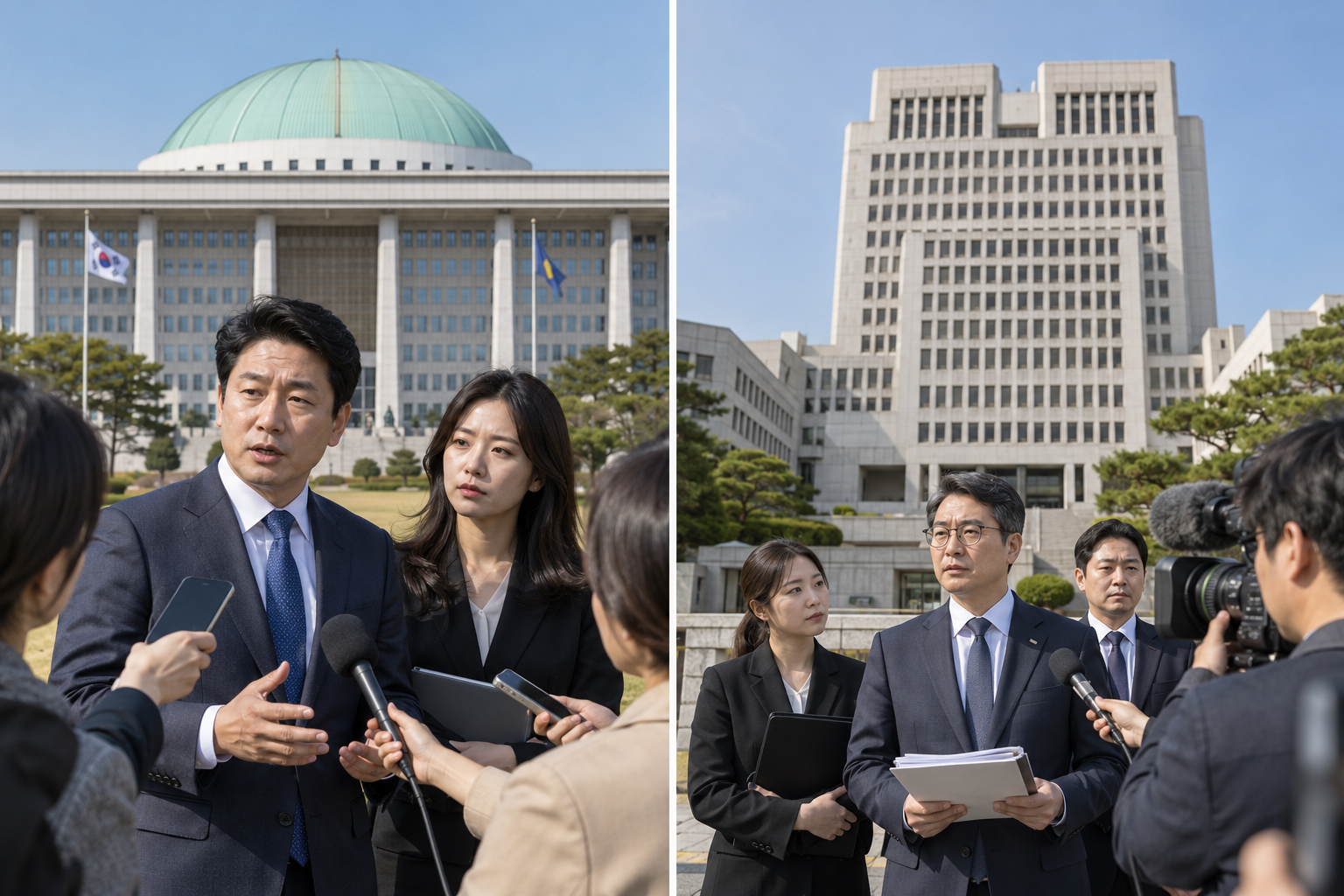
The Democratic Party of Korea agreed at its October 27 caucus meeting to pursue a parliamentary inquiry concerning Chief Justice Cho Hee-dae. After the meeting, floor spokesperson Jeon Eun-soo said the party had delegated further action to its leadership. The party’s decision to pursue an inquiry is a separate step from the National Assembly authorizing one. Before an inquiry can begin, the request must be reported to a plenary session, and the plenary must approve the plan prepared by the inquiry committee. CBS No Cut News, remarks after the October 27 caucus meeting, Article 3, Act on the Inspection and Investigation of State Administration
Article 3 of the Act on the Inspection and Investigation of State Administration allows at least one-quarter of all National Assembly members to request an inquiry, specifying its purpose, scope and responsible committee. The Assembly speaker reports the request to the plenary and then determines the inquiry committee, which submits an inquiry plan. That plan sets out the purpose, scope, methods, duration and necessary expenses. Plenary approval gives concrete form to the inquiry’s authority and schedule. Article 3 of the Act
The Democratic Party has set November 5 as its target date. Reports differ, however, on what it intends to complete that day. CBS reported that the spokesperson described a goal of securing approval for the inquiry plan; the Hankook Ilbo described a sequence in which the request would first be reported, followed by formation of the committee and preparation of the plan. The full party briefing, the filing record for this request and a confirmed parliamentary agenda were not obtained, making it difficult to establish precisely what is to be dealt with on November 5. CBS report on the caucus meeting, Hankook Ilbo, October 28
Reported issues for the inquiry include a refusal to resubmit a nomination for Supreme Court justice, refusal to take the witness oath during a parliamentary inspection, and allegations concerning the use of official business expenses. The final scope will be specified in the request and inquiry plan, so not every matter mentioned by the party or individual lawmakers can be treated as an approved subject of investigation. The spokesperson’s statement that impeachment was not discussed at this caucus meeting was also reported separately from the decision to pursue an inquiry. CBS, remarks after the caucus meeting, Hankook Ilbo
The People Power Party objected, calling the move an infringement on judicial independence. Floor leader Chung Jeom-sik’s objections and the Democratic Party’s calls to investigate the allegations are the respective parties’ positions. An official Supreme Court statement on this decision was not obtained. Party criticism or comments by a sitting judge cannot substitute for the Supreme Court’s institutional position. CBS report on the caucus meeting and opposition response
EEJE Editorial Analysis: The scope and methods chosen for the inquiry will show what documents and explanations the National Assembly intends to demand from the judiciary. What has been confirmed so far is the Democratic Party’s decision to pursue an inquiry. The request and plan to be released next will specify its subjects, duration and methods. Their contents, and whether the plenary approves the plan, will determine whether a party’s political declaration becomes an actual parliamentary inquiry. Comparison with Article 3 of the Act